
Structural Integration
The body is an interconnected whole. Structural Integration according to Anatomy Trains (ATSI) therefore does not focus on individual complaints in isolation, but rather on the interaction between fascia, body structure, and movement.
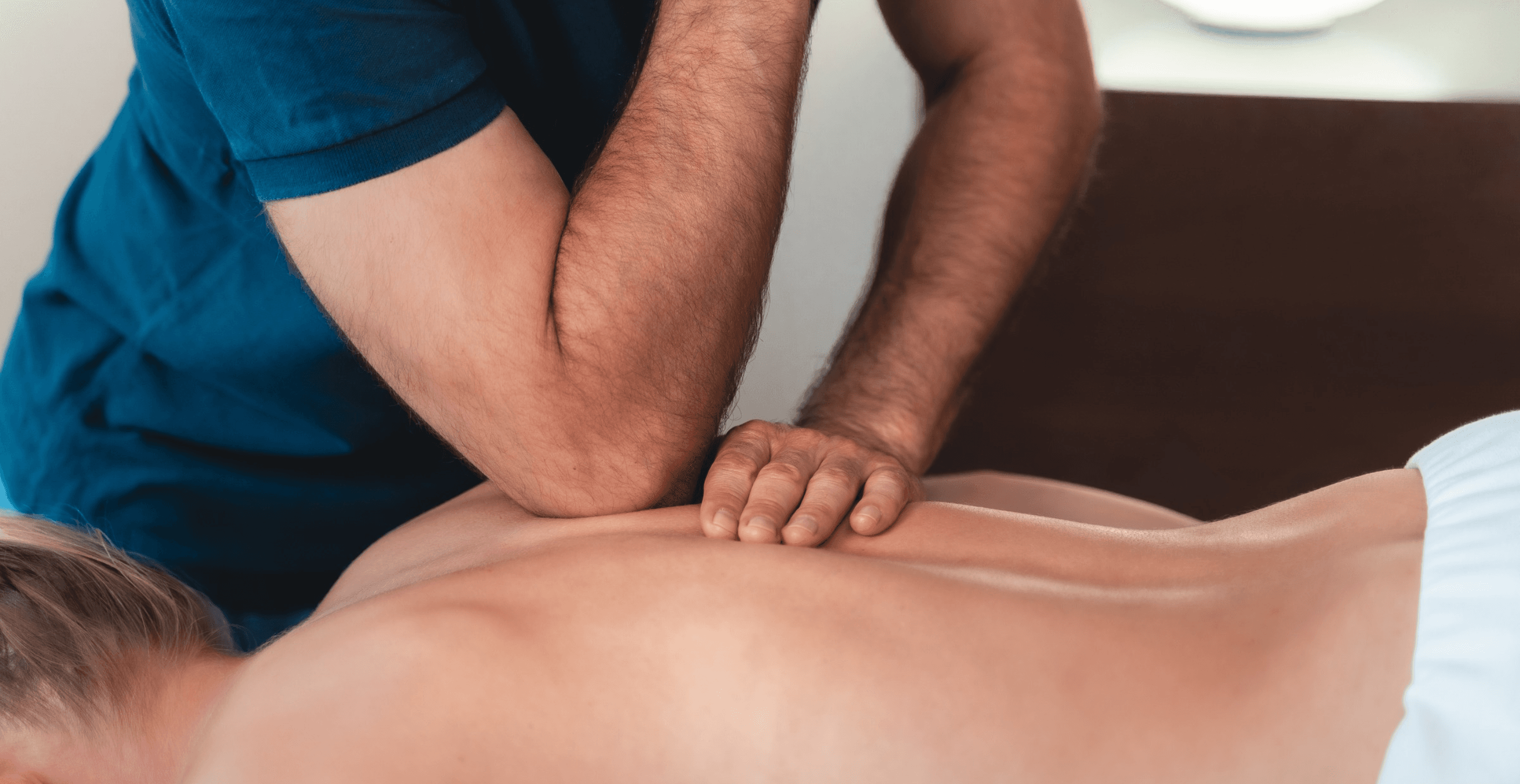
Structural Integration combines manual therapy with movement and body-awareness training. The method works with the fascial network, which surrounds and connects muscles, nerves, and organs and contributes to the body’s shape, support, and stability.
Everyday strain, poor posture, and injuries can lead to tension, adhesions, and restrictions within the fascia. Because the fascial network is interconnected throughout the body, tensions that develop in one area can also affect other parts of the body.
Structural Integration therefore does not focus solely on a single painful or tense area. Instead, the aim is to improve the interaction between the body’s structures and create more space for effortless, upright alignment and movement.
At Origin Massage, Klaus Bürger offers this specialized form of Structural Integration. His work is based on an intensive 650-hour professional training in ATSI (Anatomy Trains Structural Integration).
Find the right therapist for you
45 minutes: CHF 118
60 minutes: CHF 149
75 minutes: CHF 177
90 minutes: CHF 210
120 minutes: CHF 275
Costs covered by health insurance 50%-90%.
No prescription from a doctor is necessary.
Most supplementary insurances cover the costs of a massage. Go to our health insurance page, select your supplementary insurance and see what therapists are recognised with your insurance.
More Than Targeted Fascial Therapy
Structural Integration according to ATSI goes beyond conventional, localized fascial therapy. While a targeted treatment may focus on individual areas of tension or restricted tissue, ATSI follows a systematic approach.
The entire fascial network and the body’s structural organization are viewed as an interconnected system and addressed progressively. The aim is to improve overall physical balance and support lasting changes in posture and mobility.
How Does Structural Integration Work?
The treatment combines three closely coordinated areas:
Structural Work:
The hands are used to work specifically with the fascial network, creating more space for effortless, upright alignment.
Functional Work:
Movement education helps develop a more conscious and efficient way of using the body.
Psychobiological Work:
Body awareness is cultivated, allowing the body to be experienced as a carrier of emotions, thoughts, and relationships. The aim is to develop a more mindful relationship with one’s own body.
What Can You Expect During a Structural Integration Session?
The session begins with a detailed conversation about your concerns, personal and medical history, and individual circumstances.
This is followed by a process known as Body Reading, during which posture and movement are assessed. This helps identify how the body creates balance and which areas of the fascial network may benefit from focused work. Fascial tension is also assessed through touch.
The different regions of the body are addressed progressively, with each session building on the previous one. Every session combines structural work, movement education, and psychobiological work.
Between sessions, you may be given exercises to support movement patterns and body awareness, as well as practices for self-observation.
Who Can Benefit from Structural Integration?
The method may be particularly suitable for people who want to improve their posture, mobility, and body awareness.
It may be beneficial for:
- People experiencing chronic tension and restricted movement
- People with back pain or myofascial complaints
- People who spend long periods sitting or working at a computer
- People with physically demanding daily routines
- Athletes looking to optimize their movement patterns
A Systematic Process Rather Than Individual Treatments
Structural Integration is designed as a longer-term process rather than a series of isolated treatments. According to the EMR, a complete initial treatment series consists of at least ten 90-minute sessions. The intervals between sessions can vary depending on the individual, and the overall process may extend over a longer period of time.
At Origin Massage, ATSI Structural Integration is offered as a targeted 12-session series.
Quality, Training & Supplemental Insurance
EMR Recognition & Supplemental Insurance
Structural Integration with our therapist Klaus Bürger in Bern is EMR-recognized. Depending on your supplemental insurance coverage, the costs of a recognized treatment may be partially or fully reimbursed.
The EMR recognition is based on an intensive 650-hour professional training in ATSI (Anatomy Trains Structural Integration). This provides Klaus Bürger with specialized training in the Structural Integration method.
Whether and to what extent your supplemental insurance covers the treatment depends on your insurance provider and individual insurance plan.
Structural Integration at Origin Massage
If you are looking beyond the treatment of individual areas of tension and want to approach your body as an interconnected system, Structural Integration may be a suitable approach.
Book your appointment with Klaus Bürger and discover Structural Integration according to Anatomy Trains.